
What is a DMCA Takedown Service and Why Adult Creators Need It
A DMCA takedown service is a professional solution that helps content creators remove stolen material from websites, search engines, and online platforms. For adult content creators in 2026, these services have become essential tools for protecting exclusive content and maintaining revenue streams. The service operates under the Digital Millennium Copyright Act, which provides legal framework for requesting removal of copyrighted material from online platforms.
Adult content creators face unique challenges when dealing with piracy. Unlike other industries, adult content is often targeted more aggressively by pirates, shared across numerous platforms simultaneously, and can spread rapidly through social media and messaging apps. A professional DMCA takedown service understands these specific challenges and has developed specialized processes to combat them effectively. These services monitor the internet continuously, identify unauthorized use of your content, and submit legally compliant takedown requests on your behalf.
The landscape of content piracy has evolved significantly, with pirates becoming more sophisticated in their methods. They often use multiple hosting providers, employ content delivery networks, and create mirror sites to evade takedown attempts. A professional service has the resources and expertise to track down these complex piracy networks and submit takedown requests across all platforms where your content appears. This comprehensive approach ensures maximum protection for your intellectual property.
Working with a DMCA takedown service also provides legal protection and documentation. Every takedown request creates a paper trail that can be valuable if you need to pursue more serious legal action against persistent infringers. The service maintains detailed records of all takedown requests, responses, and outcomes, which can be crucial evidence in copyright infringement cases.
How Professional DMCA Takedown Services Work in 2026
Modern DMCA takedown services in 2026 utilize advanced technology to streamline the content protection process. The workflow typically begins with automated scanning systems that continuously monitor the internet for unauthorized use of your content. These systems use sophisticated image recognition, video fingerprinting, and text analysis algorithms to identify potential infringements across millions of websites, search engines, and social media platforms.
Once potential infringement is detected, the service verifies the unauthorized use and prepares legally compliant takedown notices. Professional services understand the specific requirements for different platforms and jurisdictions, ensuring that takedown requests meet all necessary legal standards. This expertise is crucial because improperly formatted requests are often rejected or ignored, wasting valuable time while your content remains online illegally.
The submission process involves sending takedown notices to hosting providers, website administrators, search engines, and social media platforms. Established services have relationships with major platforms and understand their specific processes and response times. They can often expedite removals through direct communication channels that aren't available to individual creators. Follow-up procedures ensure that rejected requests are appealed or resubmitted with additional information when necessary.
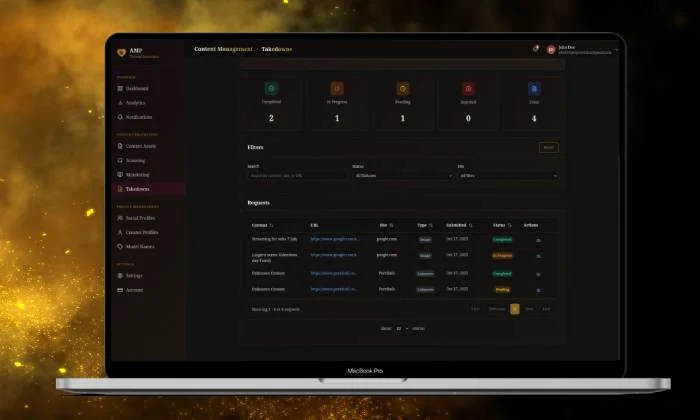
Modern services also provide real-time reporting and analytics, allowing creators to track the progress of takedown requests and understand patterns in how their content is being stolen. This data helps creators make informed decisions about content distribution and protection strategies. The best services integrate with creator platforms and provide automated reporting that keeps you informed without overwhelming you with unnecessary details.
Automated vs Manual DMCA Takedown Services
The choice between automated and manual DMCA takedown services depends on your specific needs, budget, and the nature of your content. Automated services use artificial intelligence and machine learning algorithms to detect, verify, and submit takedown requests with minimal human intervention. These systems can process thousands of potential infringements daily, making them ideal for creators with large catalogs of content or those facing widespread piracy.
Automated systems excel at detecting obvious copyright infringement, such as exact copies of images or videos uploaded to tube sites or image boards. They can quickly identify and remove content that matches your original files, often within hours of the pirated content appearing online. However, automated systems may struggle with modified content, partial clips, or content that has been altered to evade detection algorithms. They also may not understand context that could affect the validity of a takedown request.
Manual DMCA takedown services involve human review and decision-making at various stages of the process. Experienced professionals analyze detected content to determine if it truly constitutes infringement, considering factors like fair use, parody, or legitimate commentary. Manual services are better equipped to handle complex cases, such as content that has been edited or combined with other material, or situations where the infringement is less clear-cut.
The most effective approach in 2026 often combines both automated and manual elements. Automated systems handle the bulk of obvious infringement cases, while human reviewers focus on complex or ambiguous situations. This hybrid approach provides comprehensive coverage while maintaining the accuracy and legal compliance that comes with human oversight. Many professional services offer tiered options that allow creators to choose the level of automation versus manual review that best fits their needs and budget.
Understanding DMCA Takedown Success Rates and Timelines
Success rates for DMCA takedown requests vary significantly depending on the platform, the quality of the takedown notice, and the responsiveness of the hosting provider. In 2026, major platforms like Google, social media sites, and established hosting providers typically respond to properly formatted DMCA notices within 24 to 72 hours. However, smaller sites, overseas hosting providers, or platforms that don't prioritize copyright compliance may take weeks or may not respond at all.
Professional DMCA takedown services typically achieve success rates between 85-95% for properly targeted infringement cases. The key factors affecting success rates include the accuracy of the infringement identification, the legal validity of the copyright claim, and the proper formatting of the takedown notice. Services with experience in the adult content industry often achieve higher success rates because they understand the specific challenges and requirements for this type of content.
Timelines for takedown completion depend on several factors. Search engine removals, such as Google search results, often happen within 24-48 hours of a valid request. Social media platforms typically respond within 1-3 days. Traditional hosting providers may take 3-7 days to process requests. However, some overseas or uncooperative platforms may take weeks or require multiple follow-up attempts. Understanding these timelines helps creators set appropriate expectations and plan their protection strategies.
It's important to understand that a successful takedown doesn't guarantee permanent removal. Pirates often re-upload content to different platforms or the same platform using different accounts. Effective DMCA services provide ongoing monitoring to detect and remove re-uploads, creating a continuous protection system rather than one-time removals. This ongoing vigilance is crucial for maintaining long-term content protection and revenue security.

Cost Considerations for DMCA Takedown Services
The cost of professional DMCA takedown services in 2026 varies widely based on the scope of protection, level of automation, and specific features included. Basic automated services may start at $50-100 per month for creators with limited content libraries and minimal piracy issues. These entry-level services typically include automated scanning of major platforms and basic takedown request submission.
Mid-tier services, ranging from $200-500 per month, often provide more comprehensive scanning, faster response times, and some level of manual review for complex cases. These services typically include monitoring of search engines, social media platforms, tube sites, and major hosting providers. They may also offer additional features like brand monitoring, competitor analysis, and detailed reporting analytics.
Premium services can cost $1,000 or more per month and are designed for creators with extensive content libraries or severe piracy problems. These services often include dedicated account management, custom scanning parameters, legal consultation, and expedited takedown processing. Some premium services also offer additional legal support, such as cease and desist letter preparation or consultation on more serious copyright enforcement actions.
When evaluating costs, creators should consider the potential revenue loss from unprotected content. Studies show that content piracy can reduce creator revenue by 20-40% or more, making professional protection services a worthwhile investment for most successful creators. The key is finding a service that provides the right balance of features and cost-effectiveness for your specific situation. Many services offer tiered pricing or customizable packages that allow creators to pay only for the features they actually need.
Choosing the Right DMCA Takedown Service Provider
Selecting the right DMCA takedown service provider requires careful evaluation of several key factors. Experience in the adult content industry is crucial, as providers familiar with this sector understand the unique challenges, platform policies, and legal considerations that affect adult content creators. Look for providers who can demonstrate a track record of working with creators in your niche and achieving consistent results.
Transparency in reporting and communication is another essential factor. The best providers offer detailed dashboards that show scanning results, takedown request status, success rates, and platform-specific performance metrics. They should provide regular reports that help you understand the scope of piracy affecting your content and the effectiveness of protection efforts. Avoid providers who are vague about their methods or reluctant to share performance data.
Technical capabilities matter significantly in 2026's advanced piracy landscape. Evaluate the provider's scanning technology, including their ability to detect modified or altered content, their coverage of different platform types, and their update frequency. Ask about their experience with new platforms and emerging piracy methods. The best providers continuously update their technology to stay ahead of evolving piracy techniques.
Customer support quality can make or break your experience with a DMCA service. Look for providers who offer responsive support, preferably with team members who understand the adult content industry. Consider whether they provide educational resources, legal guidance, or strategic advice beyond basic takedown services. Some providers also offer additional services like brand protection or privacy protection that may be valuable for your overall security strategy. Reading reviews and testimonials from other adult content creators can provide valuable insights into the real-world performance and reliability of different service providers.
Legal Considerations and Best Practices for 2026
Understanding the legal landscape surrounding DMCA takedowns is crucial for adult content creators in 2026. The DMCA provides a safe harbor for platforms that respond appropriately to takedown notices, but it also includes penalties for submitting false or bad faith requests. Professional DMCA services understand these legal nuances and ensure that all takedown requests are legally sound and properly documented.
Proper documentation is essential for effective DMCA protection. This includes maintaining clear records of content creation dates, ownership documentation, and registration information where applicable. While copyright exists automatically upon content creation, formal registration with the U.S. Copyright Office provides additional legal protections and enables recovery of attorney fees in successful infringement lawsuits. Many professional services can guide creators through the registration process or recommend legal professionals who specialize in intellectual property law.
The international nature of content piracy adds complexity to legal considerations. Content may be hosted on servers in countries with different copyright laws, and some jurisdictions may not recognize or enforce U.S. copyright claims. Professional services with international experience understand these challenges and can adapt their strategies accordingly. They may have partnerships with legal professionals in key jurisdictions or alternative approaches for dealing with offshore piracy.
Staying current with legal developments is important for long-term content protection. Recent legislation and court decisions continue to shape the digital copyright landscape. For example, new requirements for platform accountability and evolving interpretations of fair use can affect takedown strategies. Professional services typically stay current with these developments and adjust their practices accordingly. For creators who want to understand more about the legal framework, resources like our DMCA explained guide provide comprehensive information about rights and procedures under current law.
Conclusion
Professional DMCA takedown services have become indispensable tools for adult content creators in 2026, offering sophisticated technology and legal expertise to combat increasingly complex piracy threats. The choice between automated, manual, or hybrid services depends on your specific needs, content volume, and budget considerations. Success in content protection requires understanding the legal landscape, choosing the right service provider, and maintaining realistic expectations about timelines and outcomes. While the cost of professional protection services may seem significant, the potential revenue loss from unprotected content typically far exceeds the investment in proper DMCA protection. Ready to protect your content with professional-grade monitoring and removal services? Explore our comprehensive features to see how automated scanning, multi-platform coverage, and expert legal compliance can safeguard your creative work and revenue streams.